
Taldorin Press
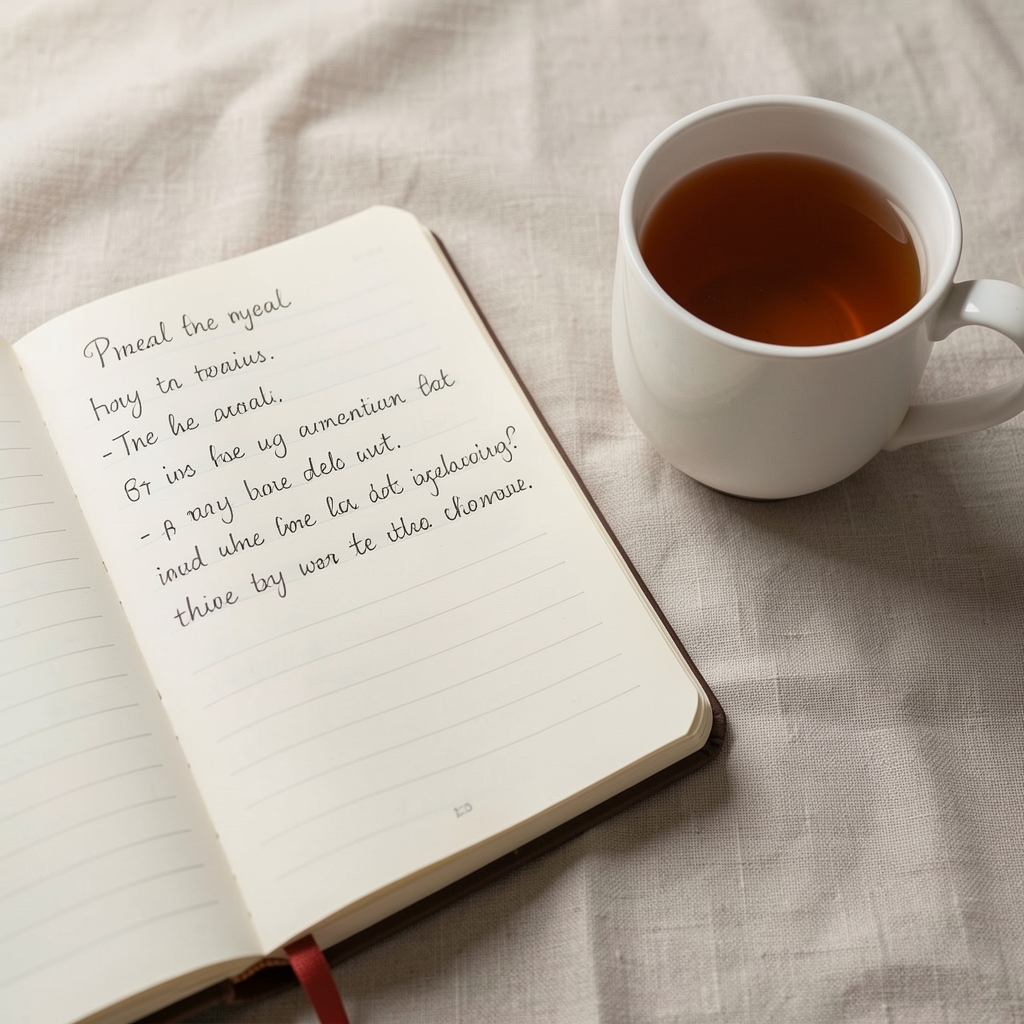
Overhead editorial view of a simple meal set on a linen tablecloth beside an open journal and a ceramic cup, soft natural morning light, quiet and contemplative atmosphere

Independent Editorial Publication · London

MOOD AT THE TABLE.

Observing the patterns that connect feeling, habit, and the act of eating.

Read the Current Issue
01

The relationship between what is felt and what is eaten sits at the centre of a great many daily patterns — patterns that resist simple explanation.

Taldorin Press is an independent editorial publication. Its focus is the lived territory between emotion and eating habit — night-time snacking, comfort food routines, the pace of a meal, the attention brought to a plate.

Articles are written by a small editorial team and reviewed before publication. Sources are cited where relevant. The publication does not carry advertising.

About the Publication →
Emotional Eating Patterns ── Hunger Awareness ── Food and Mood Connection ── Eating Pace & Fullness ── Habitual Snacking ── Mindful Portion Awareness ── Distracted Eating ── Weekend Eating Patterns ── Food Journalling ── Emotional Hunger Signals ── Emotional Eating Patterns ── Hunger Awareness ── Food and Mood Connection ── Eating Pace & Fullness ── Habitual Snacking ── Mindful Portion Awareness ── Distracted Eating ──
03

Areas of Focus

Night-time & Boredom Eating

The hours between dinner and sleep carry a particular quality of eating that differs from daytime nourishment. Restlessness, routine, and the absence of distraction all converge at the kitchen cupboard.

Comfort Food Habits

Certain foods accumulate associations over time. The editorial traces how particular flavours and textures come to carry the weight of mood management, and what that means for the rhythms of daily eating.

Eating Pace & Attention

Speed is one of the least-discussed factors in how a meal is experienced. Slowing down at mealtimes changes what is noticed — the fullness signal, the flavour shift, the natural stopping point.

Stress and the Eating Environment

Where a meal is eaten — the noise level, the presence of a screen, the degree of distraction — shapes the quality of engagement with food in ways that go beyond simple taste.

Food Journalling

The practice of recording what was eaten, when, and with what emotional context — not as an accounting exercise but as an observational one — generates a data set that the reader alone can interpret.

Weekend Eating Patterns

Saturday and Sunday carry their own eating logic — different time structures, social meals, unscheduled hours. The publication examines how routine breaks shape the eating patterns that fill the gap.

34
Articles Published
6
Editorial Topics
3
Contributing Writers
8
Avg. Min Per Read
04

"The moment before reaching for food outside of scheduled meals carries more information than the eating that follows it."

Eleanor Ashcroft — Editor
05

Common Questions

A brief guide to the publication and what readers can expect to find here.

The publication covers the territory between everyday emotional states and eating habits — boredom eating, stress-driven snacking, comfort food patterns, distracted eating, and the awareness practices that surround them. Articles are editorial in nature, drawing on published research and observational writing.

New articles appear approximately every two to three weeks. Each article is reviewed by at least one second editor before publication. The pace reflects a preference for considered writing over high-volume output.

Taldorin Press is an editorial publication, not an advice service. Articles observe and describe patterns rather than prescribe routines. Readers with specific concerns about their daily habits are encouraged to speak with a qualified wellness professional.

Physical hunger builds gradually and responds to any food. Emotional hunger tends to arrive suddenly, gravitates toward specific foods, and persists after eating. The distinction is explored in depth in the publication's featured articles.

The editorial team reviews unsolicited pitches submitted via the contact form. Pitches should include a proposed angle, a paragraph outline, and a brief description of the writer's background. Responses are sent within three weeks.

06

Editorial Standards

Articles are reviewed by a second editor before publication. Sources are cited where appropriate. Writers disclose any commercial relationships that could influence their selection of subject matter. Corrections are noted publicly when warranted.

Read Our Methodology →